 I first met Jack Arnold Beam in October 2019 while researching the Peoples Temple’s gospel-funk album, He’s Able. Jack was a gifted musician, songwriter, and producer whose creativity and talent helped shape the distinctive music of Peoples Temple. He was incredibly generous with his time and stories, sharing a detailed account of how the album came together, as well as memories from his own life and musical journey.
Music was in Jack’s roots. His grandfather, Lovell Arnold Beam, was the nephew of famous whiskey maker Jim Beam and an accomplished pianist. Lovell played with the Paul Whiteman Orchestra and other ensembles of the 1920s. He met Jack Arnold’s grandmother Madie Moore at a dance in Kentucky and followed her to Indianapolis, Indiana where they were married in 1922. They moved back to Kentucky, and in November 1923 Maddie gave birth to Jack Arnold’s father, Jack Lovell Beam.
Lovell contracted tuberculosis and was admitted to a sanitorium. While undergoing treatment, Lovell had a vision that his health could only be restored through the healing power of Jesus Christ. He shared the experience with his wife, Maddie, who was working at the sanitorium. They decided to move in with Maddie’s sister in Indianapolis, where Lovell began attending an evangelical tabernacle. When the church needed a piano player, Lovell volunteered to fill the role. This was Lovell and Madie’s first Pentecostal church experience. The congregation prayed for Lovell to be cured of his tuberculosis, but the healing never came. Lovell and Maddie began hearing about another church, the Laurel Street Tabernacle. They were told that the congregation had received a vision of a couple in need of help. Taking it as a sign, they decided to make the move. Maddie found a new job, and the couple rented a cottage nearby. Soon after, when Jack Beam was only 18 months old, Lovell died. He was only 23 years old. Jack Arnold told me that he often thought about his grandfather and felt connected to him through his love of music despite having never met him. Lovell played music for his church and later Jack Arnold would follow in his footsteps.
Jack had fond memories of his father playing boogie-woogie piano for the family, and Jack Arnold began learning piano himself at the age of nine. Growing up, he absorbed a wide range of musical influences, from gospel and church music to the emerging sounds of rhythm and blues. Ray Charles, Sam Cooke and Mahalia Jackson became favorites, while the Hammond B-3 organ and the power of gospel choirs made a lasting impression on him.
Jack’s grandmother Maddie first encountered Jim Jones through the Laurel Street Tabernacle, where Jones’s early message focused heavily on social issues and helping people in need. Jack Sr. and his wife Rheaviana were drawn to that message and became committed members. On February 24, 1960, Peoples Temple opened its free restaurant in Indianapolis. Temple members like Rheaviana Beam and Archie Ijames managed to serve 2800 free meals for the needy a month with money mostly made from Temple rest homes. Jack Sr. worked alongside Jim Jones during the church’s formative years becoming an associate pastor and important confidant.
Jack Arnold described himself as a rebellious and independent teenager, increasingly consumed by his passion for music. While his parents devoted themselves full-time to the Temple and its social programs, Jack Arnold was determined to be a professional musician. When Jim Jones moved to Brazil and Jack’s parents decided to follow, he made the difficult decision to remain behind rather than abandon his musical ambitions. Jack Sr., Rheaviana and their daughters Joyce, and Eleanor moved to Brazil and assisted Jim Jones in his mission to establish an orphanage. Eventually the Beams relocated to Hayward California in advance of Jim Jones tasked with finding the church a new home in Northern California.

Jack Arnold reunited with his family in California, and before long he was touring the country with the band Stark Naked and the Car Thieves. They played nightclubs in California, Hawaii, and Vegas. Later Jack was part of a Las Vegas group called Six the Hardway. Jack had a natural ear for songwriting and a growing interest in the creative and technical side of recording. Years of touring nightclubs and playing for drunks and patrons high off a big casino win had helped Jack develop his stagecraft but fell short of his dreams of becoming a music producer. Jack wanted to make music that connected with people in a more meaningful way. He was determined to get the skills to make it happen. While speaking to his mother on the phone from the road, Jack expressed his desire to go back to school and learn music production and theory. Now settled in Redwood Valley, California, Rheaviana encouraged Jack to take advantage of the Temple’s education program. Jack could help the Temple with its music programs, and the Temple would pay for Jack’s education. The idea of helping people with his music while changing the trajectory of his life appealed to Jack and in 1969, and he moved to Redwood Valley and started College at Santa Rosa Junior College. He eventually graduated from San Francisco State where he studied music and social work.
When Jack entered the Temple, he left his rock n’ roll persona behind him, cutting his long hair short and retiring his boots and bell bottoms. He devoted himself to the Temple and its cause, driving buses for cross country trips, satellite services and Temple band performances. He also became the director of the youth choir. Everyone was welcome to join the choir, and Jack was blown away by the raw talent on display though he sensed they needed help honing their skills.
At the time, the Temple’s musical identity began to evolve as the church expanded into big cities like San Francisco and Los Angeles. Jack noted that the more traditional Pentecostal style organ music that accompanied sermons of his youth were fusing with contemporary styles like funk, R&B, soul and Black gospel music. The dynamic and racial identity of the Temple was changing, and the music reflected that. In an effort to achieve a more professional sound, Jack helped performers develop their skills by teaching music by ear, humming melodies or playing them on guitar for those unable to read music.
Jack expanded the repertoire, rearranging existing songs, and demanded long rehearsals. He wrote original songs about changing the world, equality, and social justice. Music is a unifying language, he said, an expression of cultural identity designed to inspire joy and destroy boundaries between people. With the Temple’s rich musical traditions and the help of Anita Ijames, Don Beck, Loretta Cordell, Deanna Wilkinson, and countless other gifted performers, Jack helped create the sound of Peoples Temple, music that would become inseparable from the spirit of the Temple’s cultural identity. A powerful instrument of social outreach that set the tone for services while conveying to the outside world how the Temple saw itself.
 Eventually, the Temple decided to record an album, with the idea that it would be sold following Temple services so that visitors to the church could experience the best performances the Temple had to offer from the comfort of their own homes. Sales would also make money to further the cause. Jack worked methodically to produce He’s Able. For several weekends, Temple members traveled to Los Angeles and crowded into the Producer’s Workshop, often recording from midnight until the early morning hours. To hear Jack’s recollections of making He’s Able, listen to Transmissions From Jonestown: Episode 17.
The album was the greatest achievement of Jack’s musical career with the Temple. He was proud of the album’s success and recognized its cultural impact even after the tragedy. He’s Able presents a different dimension of Peoples Temple, far removed from the tragic post November 18th headlines and photos of the tragedy. Jack appreciated the historical importance of having preserved the memory of so many people who died in Jonestown but could not reconcile his guilt over how the Temple’s music was used as a tool of recruitment and for public relations. While the album reflected the beliefs of the Temple’s dedicated followers, Jack felt their talents were used as a device to protect Jim Jones’ public image.

By 1976, after joining the Planning Commission, Jack Arnold started to become disillusioned with the Temple. From his position backstage, he learned that Jim Jones was faking faith healings on the road and brutally punishing Temple members. Jack paid close attention to Jones during the time he was in close proximity to him. After nearly a decade of touring with a band, Jack knew the subtle signs that often-accompanied drug addiction. The changes in behavior and mannerisms Jones exhibited were familiar warning signs.
After nearly seven years in the Temple, Jack had several complicated reasons to leave. He made his final decision when he realized that Jim Jones’ ultimate goal was to isolate people in the jungle and rule over them like an emperor. Jack and his wife Cynthia left Peoples Temple later in 1976, leaving behind family and countless friends to start a new life. His affection for his family and respect for what they were trying to accomplish made his separation from the Temple all the more difficult.
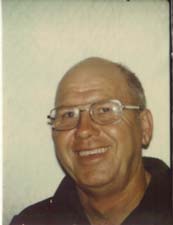

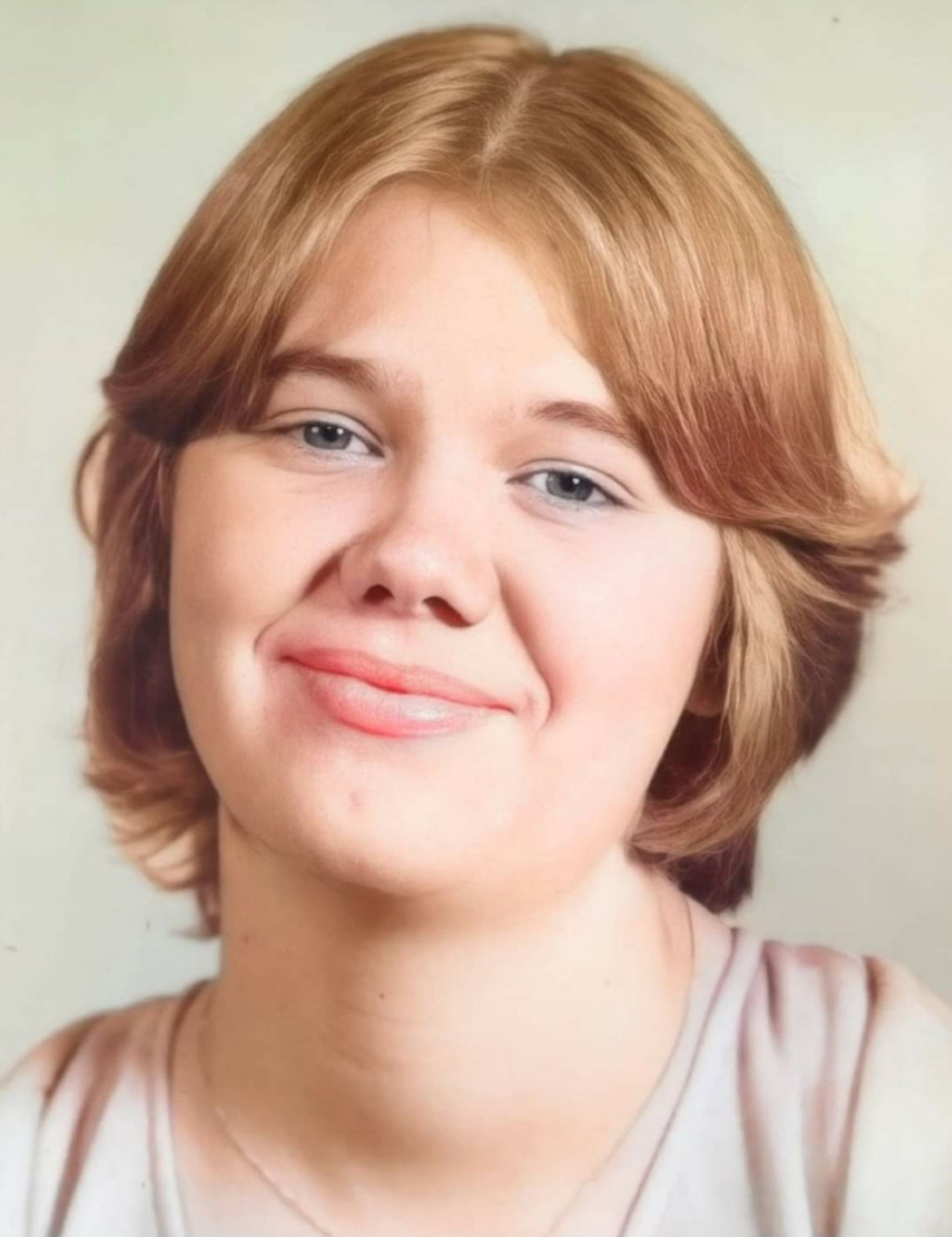
Jack Arnold’s father, Jack Beam Sr. was a pioneer who traveled back and forth to Guyana, clearing the land that would eventually become Jonestown, planning infrastructure, organizing construction, and overseeing the preparation of supply crates bound for the settlement. By September of 1977 the Beams had moved to Jonestown permanently. Rheaviana ran a supply outpost in Arakaka with Patty Cartmell, traveling up and down the jungle river procuring food and selling tube socks, electronics and other commodities shipped in from the United States. Joyce Parks Beam was a nurse practitioner working in Jonestown’s medical clinic. Ellie Beam worked in the fields, went to Jonestown’s school, and patrolled on security detail.
Jack Arnold was devastated by the loss of family and friends after the Jonestown tragedy, and said that his greatest regret in life was not having the opportunity to say goodbye to them. His sister Joyce survived the tragedy, since she was traveling with a patient in Venezuela, and Jack remained close to her throughout his life.
Music remained both a passion and a way for Jack to work through his pain after losing his family. After years of working with session musicians and independent artists in a professional studio setting, Jack adapted his home studio for the creation of demos. He mused that he wouldn’t have hired himself to sing the songs, nor was the band up to snuff, but in the digital age this is how songs are sketched out before becoming a big hit. Jack was prolific with seemingly endless creative ideas. Along with music he had written over the years, Jack sent me songs he was in the process of writing.
One thing he discovered in more recent years were the lyrics he had written back in December 1978 that he had thought were lost in a flood. He wrote the lyrics just after the tragedy as he attempted to process his shock and grief over the loss of his family and friends. Jack immediately set about putting the lyrics to music to preserve how he felt at the time. The result was Father Knows Best. All these years later Jack was still processing his anger and disbelief that the protector of his family, his father Jack Sr., had led his family to their death despite his duty to always keep them safe.
As Jack’s story unfolded during our many conversations, I realized he was writing the soundtrack to his life, scoring the vivid memories he was sharing. I asked if he would write an original composition for my podcast and he sent me a beautiful piano score and the original song I Can’t Pretend Anymore. A song about Jack’s decision to leave the Temple and the emotional fallout that followed. A collaboration I will always treasure.
Of Jack’s recent discography, one of my favorites was written sometime between 2018 and 2020. In his article 40 Years of Memories Jack wrote about living through the Peoples Temple experience and the power of love. His song, The Answer, is dedicated to all the survivors. When I close my eyes and listen, I can hear what Jack had envisioned for this song. A tightly-rehearsed band, polished and in sync. The deep, funky bass locking into the groove beneath layers of tropical percussion. Above it all, the soulful voice of Ruth Coleman, or perhaps one of the Hicks sisters (Shirley or Marthea), rises over the music, backed by the rich harmonies of a gospel choir. The structure of the lyrics is reminiscent of Will You.
 I wish I had reached out to Jack more over the last couple of years. When I heard that he passed away my heart broke for his wife of over fifty years, Cyndie Beam and all the family and friends whose lives he touched. I never considered my reality without Jack being a part of it, and I took for granted that his seemingly endless supply of creative energy would somehow go on forever. I take comfort in knowing that his music will endure and inspire all those who hear it. I will dearly miss my conversations with Jack. His passion for music and belief in its power was infectious. Jack generously encouraged my own musical ambitions, reminding me to never give up on my dreams and that we have the power to manifest positivity through self-growth and reflection. Your passion can become your purpose.